
Creative teams today face increasing pressure to produce high-quality visual content across multiple channels while maintaining consistency, speed, and brand identity. Whether developing product imagery for ecommerce, social media campaigns, digital advertisements, or website graphics, the demand for fresh visuals continues to grow. Traditional design processes often require multiple tools, repeated revisions, and collaboration across different departments, which can slow production timelines.
As AI-powered image generation continues to evolve, many organizations are adopting integrated creative workflows that simplify image creation and editing. Rather than switching between separate applications for different tasks, teams are exploring platforms that combine multiple visual workflows into one environment Adu Design. This shift allows marketers, designers, and content creators to focus more on creative strategy while reducing repetitive production work.
Why Unified AI Image Workflows Matter
Visual content creation rarely follows a single process. A marketing campaign may require concept artwork, product images, promotional banners, social media graphics, and advertising creatives, each demanding different editing techniques. Managing these tasks across several tools can introduce unnecessary complexity.
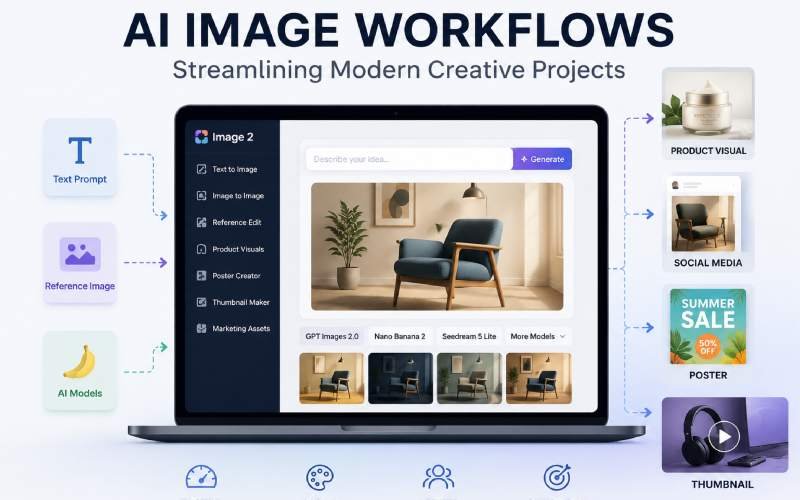
Platforms such as Image 2 address this challenge by bringing together multiple AI image workflows within a single workspace. Users can perform text-to-image generation, image-to-image editing, reference-based refinement, product visualization, poster creation, thumbnail design, and marketing asset production without constantly changing software.
Image 2 also supports a range of image generation workflows, including GPT Images 2.0, Nano Banana 2, Seedream 5 Lite, and other supported visual models. Instead of treating one model as universally suitable, creators can select the workflow that best matches the needs of a specific project, making creative production more adaptable.
Supporting Design Projects from Concept to Delivery
Every successful creative project begins with an idea but often requires multiple rounds of refinement before reaching its final form. AI-assisted workflows have become valuable because they support both rapid concept development and detailed visual improvements.
For example, a designer may start with a simple text prompt to generate several visual directions before selecting one for further editing. Reference images can then be used to refine style, composition, or branding while maintaining consistency across multiple assets.
This flexibility benefits professionals working in industries ranging from digital marketing to ecommerce. Businesses launching new products can generate polished product visuals, while content teams can quickly prepare promotional graphics for blogs, newsletters, and advertising campaigns.
Organizations also benefit from collaborative workflows where multiple creative assets can be produced efficiently without compromising quality or requiring extensive manual editing.
Planning Home Renovation Projects with Better Visual Communication
Home renovation projects also benefit from clearer visual planning before construction begins. Property owners increasingly rely on digital visualization tools to explore design ideas, compare materials, and communicate expectations with contractors before making significant investments.
When researching experienced professionals for House renovations Mandurah through Jackels Home Renovations, visual references can help homeowners better understand layout possibilities, interior finishes, and exterior improvements during the planning stage. Combining AI-assisted visual concepts with professional construction expertise enables more informed discussions while ensuring renovation plans remain practical and achievable.
Although conceptual images can support early decision-making, final construction plans should always be developed according to project requirements, local regulations, and professional building advice. Clear communication between clients and renovation specialists remains essential for delivering successful outcomes.
Practical Applications Across Marketing and Ecommerce
Modern businesses rely heavily on visual communication to attract audiences and present products effectively. AI-powered workflows have expanded the range of creative assets that teams can produce while improving efficiency throughout the content development process.
Common applications include:
- Product photography enhancements for online stores
- Marketing creatives for digital advertising campaigns
- Social media graphics across multiple platforms
- Promotional posters and event materials
- Video thumbnails and presentation visuals
- Concept art for branding initiatives
- Image refinement using reference-based editing
- Creative mockups for design reviews
Because these assets often share visual themes, maintaining consistency becomes easier when they are created within a unified workflow. Rather than exporting files between multiple editing applications, creative teams can iterate more efficiently while preserving design continuity.
When considering commercial projects, organizations should also review platform terms and any model-specific licensing requirements before using AI-generated content in production environments.
The Future of AI-Assisted Creative Work
AI image generation continues to evolve from a standalone technology into an integrated component of modern creative workflows. Instead of replacing designers, these tools increasingly function as collaborative assistants that help accelerate ideation, simplify revisions, and support larger production volumes.
As businesses continue producing content across websites, ecommerce platforms, digital advertising, and social media, flexible image workflows will likely become a standard part of creative operations. The ability to combine text-to-image creation, image editing, reference-based refinement, and marketing asset production within a unified environment offers practical advantages for organizations managing diverse visual content needs.
Future creative success will depend not only on adopting AI technologies but also on selecting workflows that match specific project goals while balancing creativity, efficiency, and responsible commercial use. Teams that integrate these capabilities thoughtfully will be well positioned to meet the growing demand for high-quality digital content in an increasingly visual online landscape.